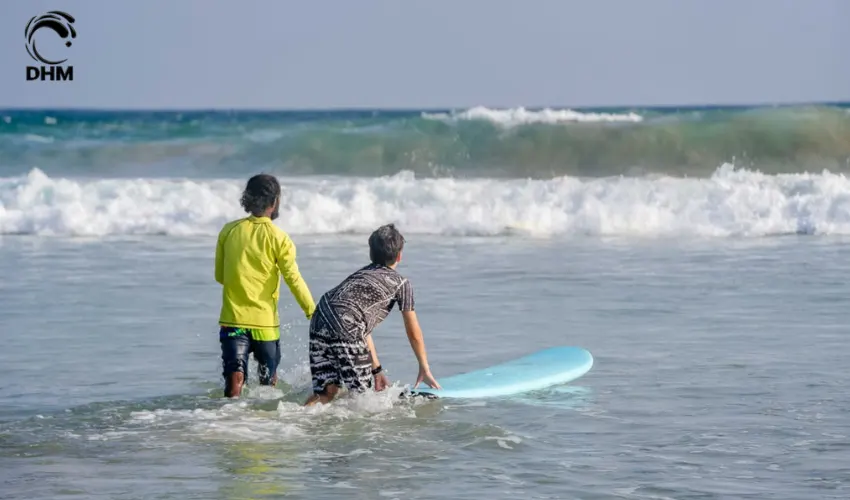
Bali to Lombok Itinerary: How to Plan an Island-Hopping Surf Holiday
Indonesia is a favourite destination for surfers who want waves suited to different skill levels....


Stay Well Informed
Stay up to date with fresh insights, trends, and helpful advice from the DHM team.


Hello Sir only for demo content.
More articles by DHM
Share with your community!


Indonesia is a favourite destination for surfers who want waves suited to different skill levels. Bali attracts visitors with its established surf schools and varied breaks. Lombok offers another side of the experience, with laid-back beach towns and surf spots that range from beginner-friendly beaches to challenging reef breaks. Planning a Bali to Lombok surf holiday lets you experience both islands in one trip.
The key is to plan your travel days carefully. With a flexible itinerary, you can enjoy without trying to fit too many activities into each day.
They sit close to one another. But each island offers a different atmosphere. Bali has established tourist areas, a wide choice of restaurants and accommodation. It has well-known surf destinations. Depending on the area and conditions, surfers can find waves for beginners and experienced riders.
Lombok has a different setting around Kuta in the south. The region has coastal viewpoints, beaches, and access to several surf breaks. Some locations are reached by road. Others require a boat transfer. This variety makes Lombok a useful destination for surfers who want to spend several days trying different waves. Combining the islands also gives you a chance to balance surfing with other activities. You could begin with lessons and practice sessions in Bali. Then travel to Lombok midway through the trip, and spend the remaining days surfing and visiting nearby beaches.
However, do not treat the two islands as interchangeable destinations. Conditions vary by location. A break that suits an experienced surfer may be unsuitable for a beginner on the same day.
A seven-day trip is a practical starting point if you want to surf in both destinations without spending too much time travelling. You can also extend the holiday to ten days and even two weeks if you want a slower pace.
| Trip length | Suggested plan | Best For |
| 5 days | Short stay in Bali, then Lombok | Travellers with limited time |
| 7 days | Two days in Bali, transfer day and four days in Lombok | A balanced surf holiday |
| 10 days | Three days in Bali, transfer day and six days in Lombok | Surfers who want extra sessions |
| 14 days | Several days on each island, with rest and sightseeing | A relaxed, flexible trip |
Here is the way you can manage a 6-day trip.
Begin your trip in Bali. Choose an area that matches your surfing ability and travel plans. Bali has several surf regions. So consider where you want to stay before booking accommodation. If you are a beginner, look for a reputable surf school that selects suitable conditions and provides appropriate instruction. Your first session should focus on basic things and safe board handling rather than chasing the biggest waves.
More experienced riders may prefer to choose a base near the breaks they want to visit. Ask local experts about the conditions expected during your stay. Wave quality can change throughout the day. So it is worth checking the forecast instead of relying only on a destination’s reputation.
Plan one main activity each day
You do not need to surf for hours to make the most of the day. A shorter session with good conditions and enough recovery time can be more enjoyable than a long session when you are tired.
The travel between the islands is an important part of your itinerary. You can travel depending on your budget and starting point. Consider your luggage and travel time. The best option is not necessarily the one with the shortest advertised trip. You also need to account for reaching the departure terminal and possible delays.
This is a popular choice for travellers moving between Bali and Lombok. Routes and arrival points vary by operator. So check the exact departure and destination before booking. Travel time varies with the route and sea conditions. If you are carrying a surfboard, confirm the operator’s board policy in advance. Ask about extra charges and any requirements for protective board bags.
This may suit travellers who want to reduce time spent crossing the water and who prefer not to take a boat. Surfers travelling with boards should check the airline’s current sports-equipment policy before buying tickets.
It generally takes longer than a fast boat. But it may suit travellers with flexible schedules and those transporting a vehicle. Check current sailing information and luggage arrangements before travelling. Allow enough time for the crossing and the onward drive to your accommodation. For more information about transport options and surfboard arrangements, speak to the DHM team and check about getting from Bali to Lombok.
After arriving in Lombok, use Kuta as a base if you want access to several southern surf spots. The town has accommodation and services for travellers. The nearby beaches have different settings and wave conditions. Before choosing a break, consider your ability and the swell and tide. Check the wind and the type of seabed. Some surf spots are exposed reef breaks and may require local knowledge. Ask an expert for advice if you are unfamiliar with the area.
It is known for its beach and is commonly recommended for beginners learning to surf. The beach environment can make it a useful place to practise basic skills when conditions are suitable. If this is your first surf trip, consider booking a lesson with an instructor who knows the local conditions. You can work on
More experienced surfers may enjoy visiting the beach for its scenery and choosing a different break based on the day’s forecast. Do not assume that every beach is suitable for every surfer at all times.
Gerupuk Bay has access to several surf breaks. Boat transfers are commonly used to reach the waves. Different breaks can suit different abilities and conditions, so local help is valuable. For beginners and improving surfers, ask about suitable options and whether the day’s conditions are appropriate. More advanced surfers can discuss the available breaks with a local expert rather than choosing a spot solely because it has a strong reputation. Plan the logistics before leaving your accommodation. Confirm the boat arrangements and expected return time. If you rent a board, check that it is appropriate for your expertise level and the expected waves.
After the session, take time to rest. Surfing can be physically tough, especially when you are paddling against currents and spending long periods in the water.
Use the sixth day to select a surf spot based on your ability and the conditions rather than following a rigid plan. Tanjung Aan is a scenic coastal area east of Kuta. Its surf conditions vary. You should ask a local operator which break, if any, is suitable for your experience on that day.
Mawi, west of Kuta, is generally associated with more difficult waves. It is commonly considered a better option for intermediate and experienced surfers when conditions suit. It is not a default choice for beginners.
Keep the last full day flexible. If the forecast looks promising, return to a break that suited you earlier in the trip. Revisiting a familiar spot can be more rewarding than spending several hours travelling to a new location. Beginners may benefit from another lesson and a supervised practice session. Experienced surfers can choose a break based on their comfort level. If your body feels tired, take a rest day instead.
Your accommodation choice can affect the amount of time you spend travelling between surf spots. For a trip focused on southern Lombok, staying in and near Kuta can provide convenient access to accommodation and several nearby breaks.
A surf camp may suit travellers who want help organising lessons, transport and local surf sessions. Independent accommodation can work well if you prefer to plan each day yourself. Compare the total package rather than looking only at the nightly price. If you are travelling with a group, confirm that the accommodation suits everyone’s needs. A beginner may prefer lessons and easy access to suitable beaches. An advanced surfer may prioritise early transport to more tough breaks.
DHM Surf Camp is based in the Kuta Lombok area. Check the current package details before booking, as inclusions and prices may change.
A successful holiday is not measured by the number of breaks you visit. Choosing suitable conditions and respecting local advice are more important than following a packed itinerary. Check the surf forecast and ask local operators about currents and entry points. Beginners should stay within their ability. They must take lessons where appropriate. Do not enter unfamiliar and challenging water simply because other surfers are doing so.
Use equipment that fits your ability and the conditions. Be aware of other surfers; follow local etiquette. Avoid dropping in on another person’s wave. If a spot feels difficult, choose another location. Respect the communities you visit. Follow local advice and avoid damaging coral and marine environments. When booking lessons and transport, use reputable providers and confirm what is included.
Finally, leave room for recovery. Heat and repeated surf sessions can be tiring. Drink water and take breaks when needed. A flexible schedule helps you enjoy the trip without feeling pressured to surf in unsuitable conditions.
A well-planned Bali to Lombok itinerary gives you the chance to experience two Indonesian islands. Spend the first part of the trip getting comfortable in Bali. Have a dedicated day for the transfer. Then use Lombok as a base for several surf sessions and time to check the coast.
The most useful itinerary is one that leaves room for changing conditions. Choose breaks that suit your ability. Confirm transport arrangements. Check board policies and compare accommodation packages before booking.
DHM Surf Camp can be a starting point for planning the Lombok portion of your trip. Visit DHM’s website to review its surf camp information and travel resources. Contact our team directly to confirm current packages and inclusions.
You can travel by fast boat, public ferry, or flight. The best option depends on your departure point, schedule, budget, luggage, and surfboard arrangements. Check current routes and baggage policies before booking.
Seven days can provide a useful balance, with time in Bali, a transfer day, and several days in Lombok. A longer trip gives you more flexibility for changing surf conditions and rest days.
Yes, some locations, including Selong Belanak in suitable conditions, are commonly recommended for beginners. Take lessons or seek local guidance to choose a safe spot for your ability.
Yes, but the rules depend on your chosen airline, ferry, or boat operator. Check board-size limits, baggage charges and storage arrangements before booking your transfer.
The suitable period depends on the surf spots you want to visit and the conditions you prefer. Check local surf forecasts, seasonal patterns and advice from surf operators before finalising your travel dates.
Surf, sun, and endless excitement await! Whether you’re a beginner or a pro, explore the world of surfing through tips, destinations, and breathtaking moments.