Surfcamp Fuerteventura or Lombok? Which Surf Trip Is Right for You
Every winter, guests from Germany, the Netherlands, and the UK send us some version of...


Stay Well Informed
Stay up to date with fresh insights, trends, and helpful advice from the DHM team.


Hello Sir only for demo content.
More articles by DHM
Share with your community!


Can one week really change the way you surf? Yes. But the change depends on your starting point. It also depends on practice time and coaching.
A complete beginner may learn to stand. They may learn to catch small waves and feel more confident in the water. An intermediate surfer may improve positioning. They will focus on the timing and technique. One week will not turn a beginner into an advanced surfer. But focused practice can produce noticeable progress.
Lombok gives a strong setting for this type of learning. Kuta Lombok gives surfers access to several breaks. A structured camp can combine daily surf sessions with coaching and feedback.
That is where a Surf Camp Indonesia experience can differ from a standard beach holiday. You spend your week with a clear surf goal instead of trying to organise every session yourself.
Your progress will depend on your experience before arriving.
A first-time surfer has a different starting point from someone who already catches green waves. The following things can also affect your progress.
During a focused week, beginners may work on
Intermediate surfers can focus on different areas. They may work on
DHM Surf Camp in Kuta, Lombok, works with beginner and intermediate surfers. Our coaching approach considers the guest’s ability and goals. We do not treat every surfer in the same way.
The key point remains realistic expectations. Seven days can support progress. But surfing requires continued practice.

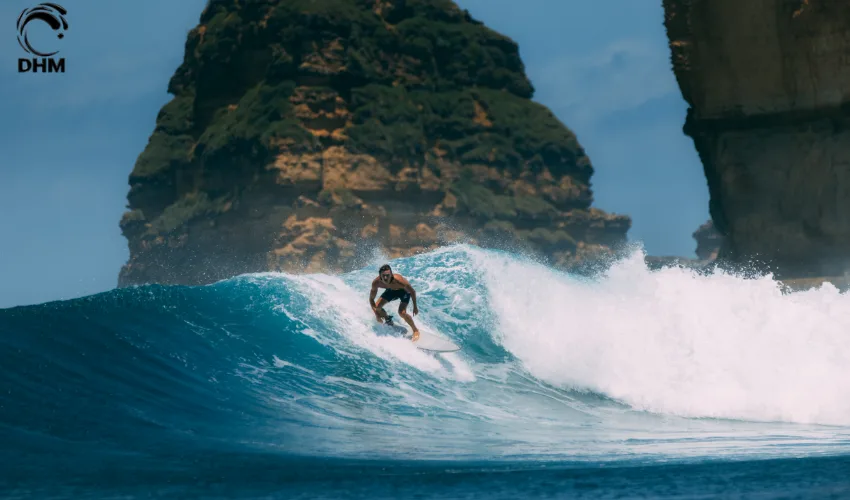
This place gives surfers access to a range of surf settings. Kuta sits in South Lombok, with several surf areas within reach of the camp.
DHM highlights surf locations including
Local conditions can vary between breaks. So having coaches who know the area can help surfers choose suitable locations.
This local knowledge becomes especially useful for visitors who have never surfed in Indonesia.
A beginner may need smaller, friendlier waves. An intermediate surfer may want conditions that provide more room to work on technique.
Your coach can consider your ability alongside the day’s conditions before selecting a suitable spot.
That can save you from spending valuable holiday time searching for a break that suits you.
One of the strongest advantages of a proper surf camp indonesia comes from regular water time.
DHM’s surf packages include two surf sessions per day as part of the core surf offering. The camp combines these sessions with coaching and other activities across the week.
Repeated practice gives your body more opportunities to learn movement patterns.
Think about learning to ride a bicycle. Reading about balance cannot replace getting on the bike. Surfing works in much the same way.
You need to paddle. You need to position yourself. You have to catch waves and repeat the movement.
A coach can then correct small mistakes before they become habits.
The breaks between sessions also matter. Surfing uses your shoulders, back, legs, core. Rest gives your body time to recover before the next session.
Trying to learn alone can involve a lot of guesswork. You may catch a wave. But you may remain unsure about what you did right and wrong.
A coach can give you direct feedback while the experience remains fresh.
Our local coaches know the surrounding surf areas. We adapt coaching to each surfer’s level and goals.
The camp also uses photo and video analysis. Seeing your own surfing can help you understand body position properly. It also helps you understand timing and movement more clearly.
For example, you may think you are standing too late. Video might show that your problem actually starts earlier, when you position your feet or paddle into the wave.
That type of feedback gives you something specific to work on during your next session.
A structured programme can help you focus on small goals instead of trying to improve everything at once.
| Day | Main focus | What you may work on |
| Day 1 | Assessment | Skill level, safety, equipment and basic technique |
| Day 2 | Fundamentals | Paddling, positioning and wave selection |
| Day 3 | Practice | Repetition and confidence in suitable waves |
| Day 4 | Technique | Body position, timing and controlled movement |
| Day 5 | Video feedback | Review footage and identify areas for improvement |
| Day 6 | Application | Use new techniques in suitable conditions |
| Day 7 | Review | Assess progress and set goals for future surfing |
This is a simple example rather than a fixed DHM schedule. Actual sessions depend on the package and weather. It also depends on the surf conditions and individual ability.
The main principle remains: build one skill. Then practise it and then review your progress.
Progress does not only happen in the water.
Our programmes include activities such as
The activities depend on the package that you have selected. These activities can support a more balanced surf week.
Yoga can help you work on flexibility and movement. Surf training can focus on physical preparation. Video analysis gives you a chance to study your technique.
Rest also forms part of the process.
You may feel tempted to surf every available minute. That can backfire if fatigue affects your technique. It also increases your risk of injury.
A good camp gives you time to surf and enjoy Lombok.
Where you stay matters when you plan a surf-focused trip.
After two surf sessions, you need somewhere comfortable to shower, eat and rest.
DHM’s accommodation includes private rooms with air conditioning. We have en-suite bathrooms and hot water. You will also get Wi-Fi and other facilities. The camp also has a
This setup keeps many parts of the trip in one place.
You do not need to spend each evening arranging your next surf lesson/searching for equipment/ finding somewhere to eat.
That leaves more time for recovery and enjoying the social side of the camp.
Jane arrived in Kuta, Lombok. She had never stood on a surfboard.
On the first morning, she felt nervous about entering the water. Her coach gave her basic instructions and selected conditions that matched her level.
During the first few sessions, she fell repeatedly. By the middle of the week, she started standing for a few seconds.
The coach then used video feedback to show her a small problem with her stance. She worked on that movement during the next session.
By the end of the week, she was not an expert. She still has plenty to learn. But she can now catch waves. She can stand with greater confidence. She can understand what she needs to practise next.
That is realistic surf progression.
The goal of one week should not involve becoming an expert. It should involve leaving with better skills and more confidence than when you arrived.
Yes, although progress may look different.
Intermediate surfers already understand
Their next step often involves refining technique.
A coach can help identify small issues that limit progression. You may need to adjust.
DHM uses video analysis as part of its coaching approach. This can help intermediate surfers review their technique.
An intermediate surfer may therefore leave with a clearer understanding of a specific weakness.
That can prove more valuable than simply catching more waves without feedback.
Travelling with surf gear can become difficult. Boards take up space. They add luggage concerns and require extra planning.
We provide surf equipment for guests. They mainly need swimwear and the right attitude. But some surfers prefer to bring personal items such as a rash guard.
Having equipment at the camp can make the trip simpler. Your coach can also help you use equipment suited to your current ability.
Beginners usually need stable boards that make learning easier. More experienced surfers may have different preferences based on their style and goals.
Check your chosen package for the latest equipment details before travelling.
For many travellers, seven days offers a useful balance.
A shorter trip may feel rushed if you want regular lessons and time to relax. A longer stay gives you more time to adapt to the waves and work on technique.
DHM offers different package lengths, including its seven-day Addict Surf package. We also have shorter and longer options.
Your choice should depend on your goals.
If you are completely new to surfing, a week can give you a solid introduction. If you already surf regularly, a longer stay may give you more time to work on specific skills.
Weather and surf conditions can also affect your schedule. No camp can control the ocean. So flexibility remains important.
Check the current package page before booking because inclusions and prices may change.
This time will not turn a complete beginner into a professional surfer. It can, however, give you focused practice. It can give useful feedback and a stronger foundation.
The biggest gains come from regular water time and good coaching. You must also have realistic goals. The following things can support that progress.
A Surf Camp Indonesia stay in Lombok can bring these elements together while giving you time to enjoy the island life.
If you want to spend your next holiday improving your surfing rather than simply watching the waves, check DHM’s latest surf camp packages. Plan your week in Lombok accordingly.
Surf conditions, package inclusions, prices, schedules may change. Check the latest information from DHM before booking.
Yes. DHM welcomes beginners and intermediate surfers. Coaches adjust sessions to the surfer’s ability and the day’s conditions.
Surf schedules depend on your package and sea conditions. Our surf packages include regular sessions, with its core offering featuring two sessions per day.
Yes. We provide photo and video analysis in our surf coaching approach, helping guests review technique and identify areas for improvement.
Yes. We provide surf equipment for guests. Check the current package details for specific equipment information.
Kuta Lombok provides access to several nearby surf areas, including Gerupuk, Seger and Mawi. Local coaches can help match surfers with suitable conditions.
Surf, sun, and endless excitement await! Whether you’re a beginner or a pro, explore the world of surfing through tips, destinations, and breathtaking moments.
.png)