Why Travellers Choose to Surf Lombok Over Other Destinations?
Travellers around the world now look for peaceful and authentic places for their holidays. Some...


Stay Well Informed
Stay up to date with fresh insights, trends, and helpful advice from the DHM team.


Hello Sir only for demo content.
More articles by DHM
Share with your community!


Indonesia attracts wave lovers from every corner of the world. It has warm water and steady swells. The country has the setting for an unforgettable adventure. If you dream about the best Indonesian surf ride, you need a clear plan. A good itinerary saves your lot of time and boosts your progress. In addition, it gives you space to enjoy the island life.
This blog shares a simple and practical route that fits all types of surfers. We will also discuss other necessary things for a trip, like what to pack for comfort and safety.
Indonesia surf has powerful reef breaks, friendly beach waves, and peaceful coastlines across many islands. You can begin your trip in Kuta, Lombok. This is a relaxed town located on the southern coast of Lombok. The area gives easy access to famous surf spots like Gerupuk and Mawi Beach. Each break suits a different level. While surfing, you can spend your first two days getting used to the water and the rhythm of the ocean.
Lombok feels calmer than Bali. The beaches look wild and open. You see white sand and clear blue water. This setting keeps your focus on your surf goals.
Choosing the right surf package is necessary for every traveller. It will help you in keeping your schedule smooth. Many travellers select a 4 to 5-night stay to begin, while others prefer a 7-night package. Even a 10-night option is selected by many. A longer stay gives your body time to adjust and build strength. Most packages include:
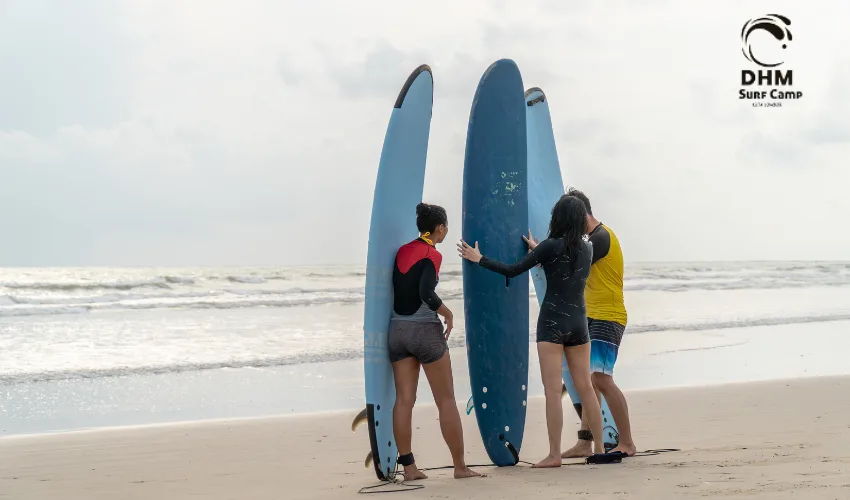
An organised indonesia surf camp provides structure without pressure. Coaches take your sessions and track your progress. These experts also share useful tips about tides and positioning. You gain knowledge that stays with you long after the holiday ends.
You can travel to Bali for a fresh surf vibe after Lombok. Bali is known for lively beach towns and famous reef breaks. Surfers visit Canggu for its cool cafés and steady waves. Advanced surfers head to Padang Padang Beach for powerful barrels. You can split your stay between Lombok and Bali to enjoy two different moods. Lombok gives you quiet focus. Bali brings energy and a busy surf culture. This combination creates a balanced surf trip with expertise growth and social fun.
This schedule works well for most travellers.
Days 1–2: Arrival in Lombok. Light surf sessions. Beach time and rest.
Days 3–5: Two surf sessions per day in Lombok. Visit different breaks based on tide and swell. Add a sunset viewpoint trip.
Days 6–7: Go for more challenging waves. You can focus on technique and positioning.
Day 8: Travel to Bali by boat. You can even opt for a short flight. Relax and see the town.
Days 9–10: Surf Bali’s reef breaks. Enjoy beach cafés and local food.
This plan builds skills step by step. It also helps in protecting your energy. Surfing demands strength and balance. You also need to focus properly. Rest is also necessary during it. It supports steady improvement.
Click here to read additional related blogs.
During the trip, you need to take some essentials along with you. These things are necessary for maintaining your comfort and safety while surfing. Here, we discuss about these essentials in detail.
Good surf manners build positive energy in the water.
Surfing demands more than strong arms. You need balance and timing. You also need awareness. Many camps include surf theory lessons and video analysis. These things sharpen your skills quickly. Light stretching sessions help you stay flexible. A strong core helps in improving your pop-up and turns. Good sleep supports muscle recovery. Drink plenty of water under the tropical sun. Each session brings progress when you stay patient and focused.
An organised itinerary turns your dream into a smooth and exciting reality. Lombok gives you space and clean waves. You get expert coaching. Bali adds energy and the best surf breaks. Together, they form the perfect route for wave lovers.
If you want assistance and strong local knowledge for your Indonesia surf adventure, get in touch with DHM Surf Camp in South Lombok. We are known for our professionalism. So, plan well and travel smart. With the right assistance, you can glide every wave with confidence. Your ultimate adventure waits in warm water and golden light.
Contact us for any support or assistance related to this trip.
Lombok International Airport connects to Bali and several major Asian cities. Transfers from the airport to Kuta Lombok take about 20–30 minutes by car.
Many camps provide breakfast daily. Some offer lunch and dinner options. Local restaurants near the camp give plenty of food choices as well.
It protects you against unexpected injury. It also protects you against flight delays and equipment damage. Most experienced surfers secure insurance before departure.
Yes. It creates a friendly atmosphere and helps you meet other surfers.
Visitors use Indonesian Rupiah. ATMs operate in main towns. Many surf camps accept card payments for packages and extras.
Surf, sun, and endless excitement await! Whether you’re a beginner or a pro, explore the world of surfing through tips, destinations, and breathtaking moments.
.png)